13 projects
Use arrow keys to browse · Enter to open
Cheminformatics & Drug Discovery
Database of Unified Chemical Knowledge (DUCK)
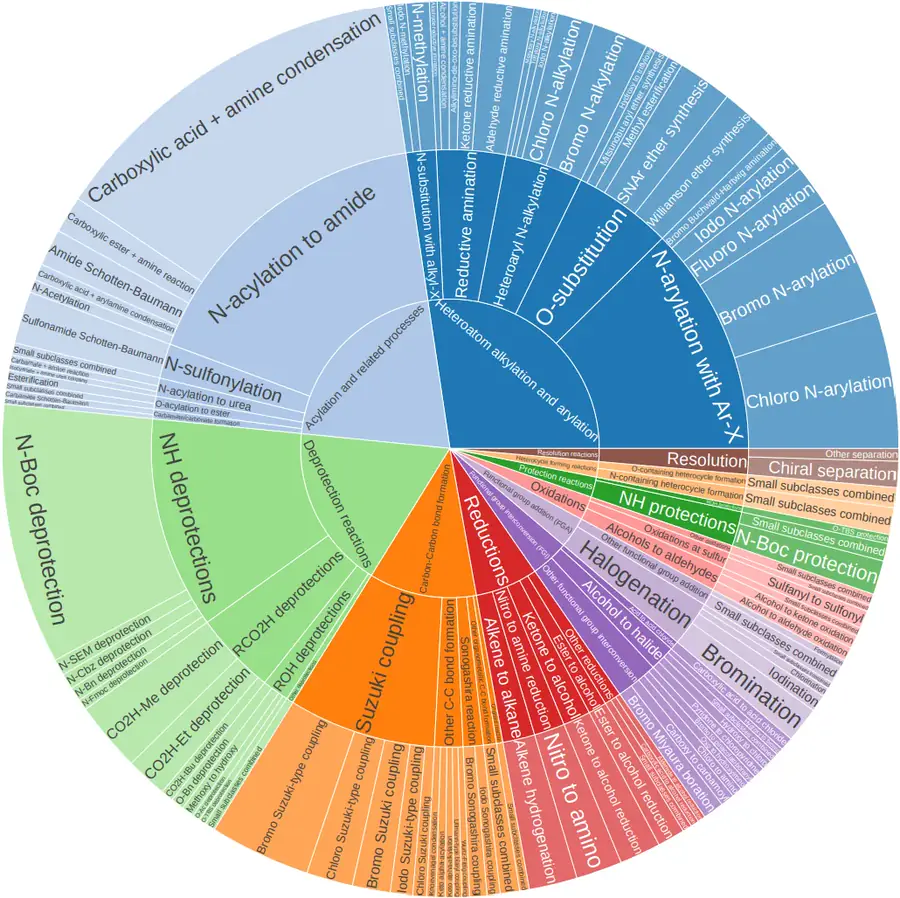
I worked on the Database of Unified Chemical Knowledge (DUCK) project, transforming 15 years of Roche Electronic Lab Notebook (ELN) data into a robust engine for chemical AI. By incorporating synthetic failures (negative data) alongside successes, we reduced bias in Machine Learning models and improved the reliability of chemical yield predictions. This research mapped the industrial repertoire, highlighting heavy reliance on C-N and C-C bond formations.
Cheminformatics & Drug Discovery
AttentionDDI: Explainable drug–drug interaction prediction
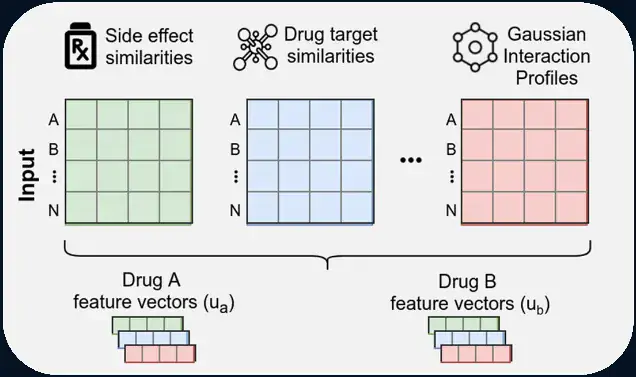
I developed a novel Deep Learning architecture - AttentionDDI - in PyTorch for the prediction of previously unknown medication side effects. The model is Transformer-based and through an Attention mechanism it provides explainability over which input data modality (chemical structures, side effects, targets, etc.) is weighted more for improved predictions.
Cheminformatics & Drug Discovery
Drug prescription clusters in the UK Biobank
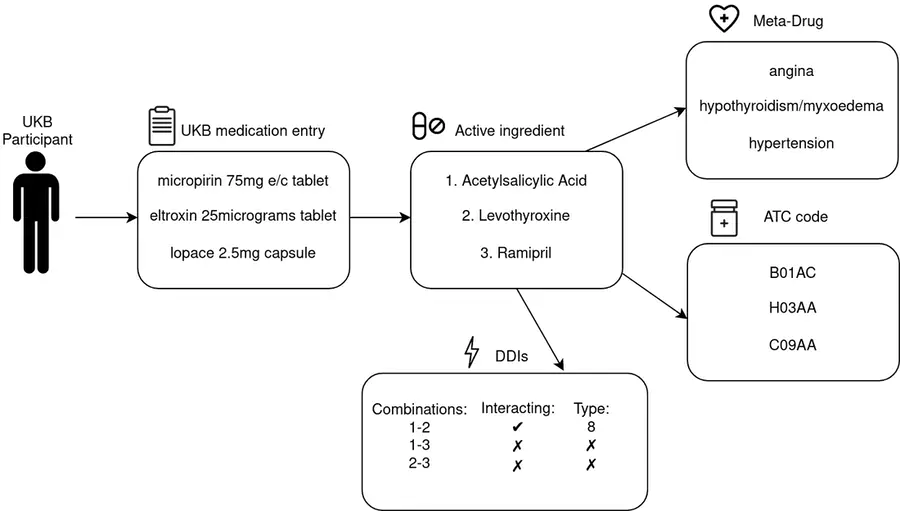
I created patient clusters, according to their drug prescription history, and analyzed the prevalence of DDIs in each cluster, which may influence their five-year mortality. I examined whether specific drug combinations may lead to additional health effects in the UK Biobank participants. For this project I employed the Scikit-Learn, RapidsAI, Scipy and statsmodels data science libraries.
Cheminformatics & Drug Discovery
DDoS: Graph Neural Network for drug synergy prediction
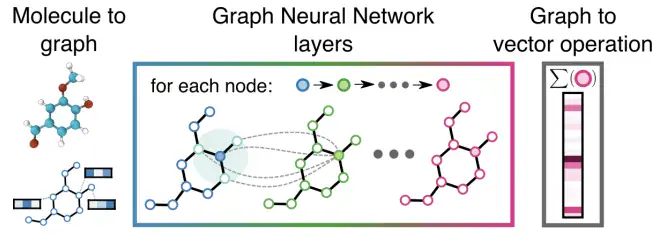
A novel Graph Deep Learning architecture - DDoS - in PyTorch for the prediction of synergistic effects of drugs in specific cell lines. The model learns task-specific representations of molecules (drug chemical structures) through a Graph Neural Network and takes advantage of gene expression features of cell lines in order to improve drug combination synergy predictions.
Bioinformatics
Long non-coding RNA structure estimation
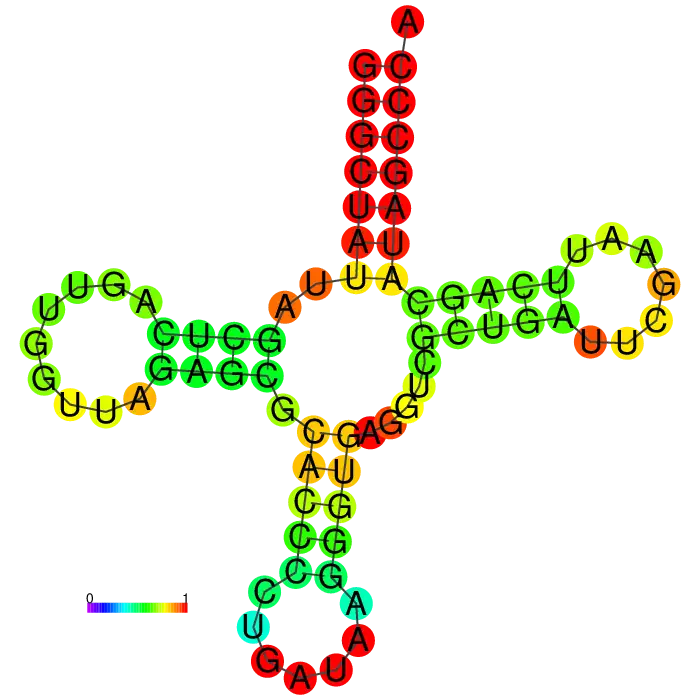
Computational methods that have aimed to predict cancer driver lncRNA genes have thus far relied on scores that do not specifically reflect the lncRNA biology. Therefore, Functional Impact scores, such as conservation scores or base pairing probabilties from RNA secondary structure can be included to improve those predictions. In this project I calculated lncRNA base pairing probabilities and correlated them with conservation scores to examine whether secondary structure is suggestive of gene function. Tools used for this project: Bash (awk, bedtools, bwtool, etc.), Python (Snakemake), R, RNAfold/RNAsnp
Bioinformatics
EM algorithm for genomic methylation profiles
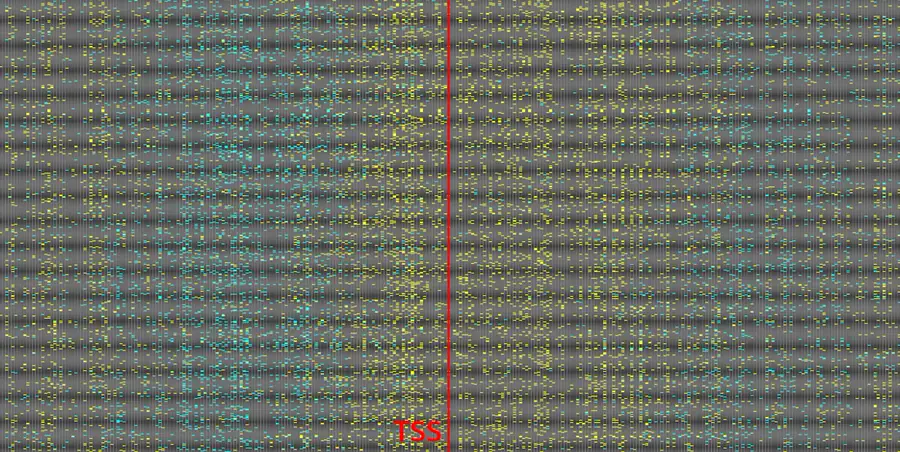
In C. elegans the expression of X-linked genes is downregulated by half by modifying transcription initiation. Here, an EM algorithm was applied to a dataset containing the positions and the methylation status of Cytosines around the transcription start site (TSS) of various genes. The algorithm is written in R.
Molecular Biology
Effects of tubulin-tyrosine ligase on alpha-tubulin
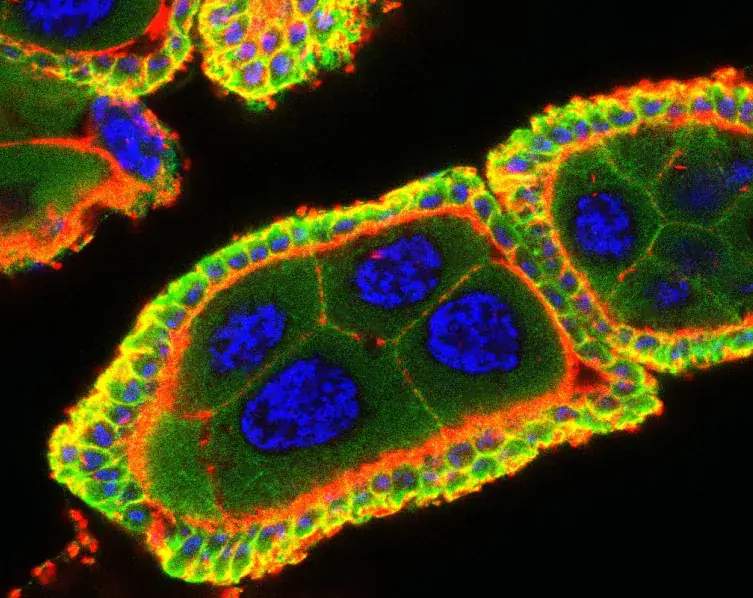
The alpha-tubulin (α-tubulin) protein is a major structural component of microtubules which in turn are one of the three main filaments of the eukaryotic cytoskeleton. Microtubules are associated with important cellular functions, such as mitosis and meiosis, intracellular transport, cell motility, maintenance of the cell shape and others. The tubulin-tyrosine ligase (TTL) protein functions by ligating a tyrosine molecule at the detyrosinated C-terminal of α-tubulin. This process can have an effect on microtubule stability and subsequently on the cellular functions which are depended on the microtubule dynamics. In this work four experiments were performed which try to elucidate the consequences of engineered TTL genes in Drosophila melanogaster. The experiments include:
- Measuring viability and fertility of Drosophila flies
- Confocal microscopy of Drosophila ovaries
- Western blot of tyrosinated α-tubulin
- TTL-GFP fusion gene cloning
Cloud & Big Data Analytics
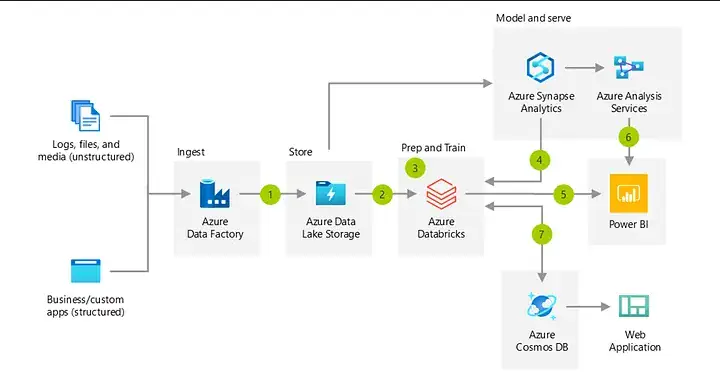
From Data Warehouse to cloud analytics
I empowered my team to transition from a in-house DWH solution to a scalable cloud solution, Azure Databricks. This enabled us to develop modern ETL piplines, and scalable Machine Learning applications.
Web Development
Professional company websites
While working as a software / web developer at fastforward websolutions I was involved in the implementation and maintenance of professional company websites. Some notable examples include:
My responsibilities included web development in HTML/CSS/JS, Magnolia CMS configuration, extension of CMS functionality in Java, setting up REST/SOAP services and planning Agile/Scrum tasks and sprints.

Web Development
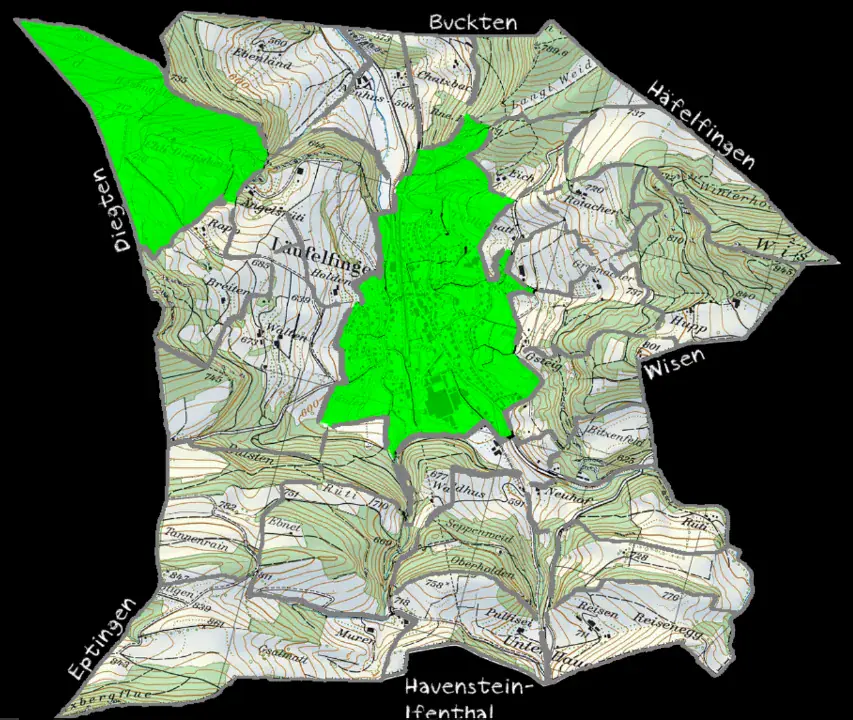
Flurnamen Puzzle
An interactive and educational game where local map regions act as puzzle pieces. The primary school students of Läufelfingen can use it to better learn their region in a fun way by piecing together these puzzle pieces. The game was developed with Processing.js.
Web Development
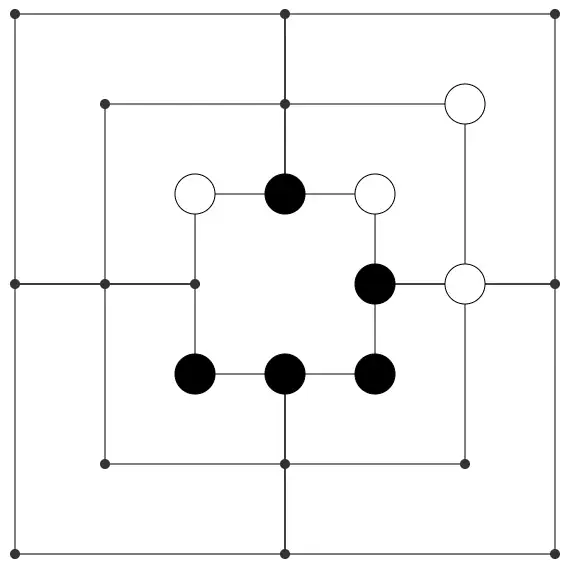
Nine men's morris (Mühle)
A toy project where I implemented the nine men’s morris game (Mühle) with pure HTML/CSS/JS.
Computer Vision & Graphics
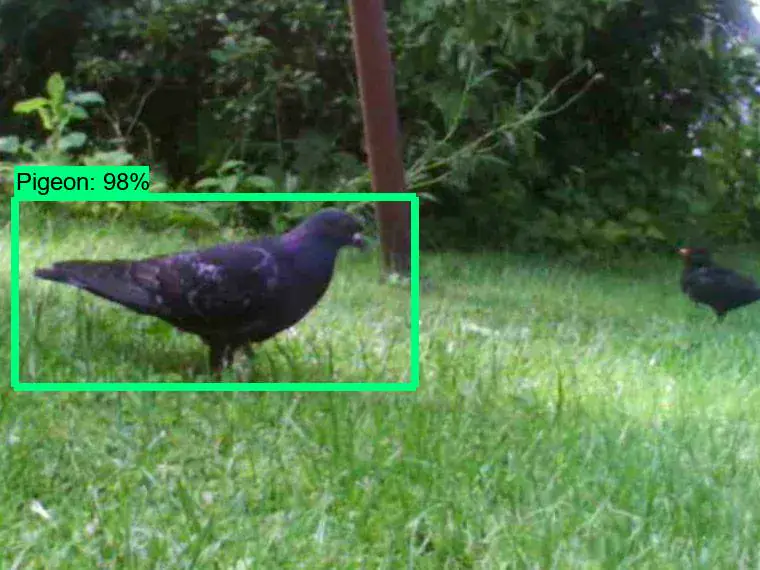
Pigeon Detection
In this project a video analysis algorithm was developed that utilizes basic computer vision principles. Based on pidgeon characteristics (shape, size, movement, etc.) their position is determined within a video input stream. Written in Python/OpenCV/QT. The video input can be opened in a QT window and areas of interest (detection) can be selected (by drawing polygons). Within these areas the positions of detected pidgeons are reported.
Computer Vision & Graphics
L-Systems
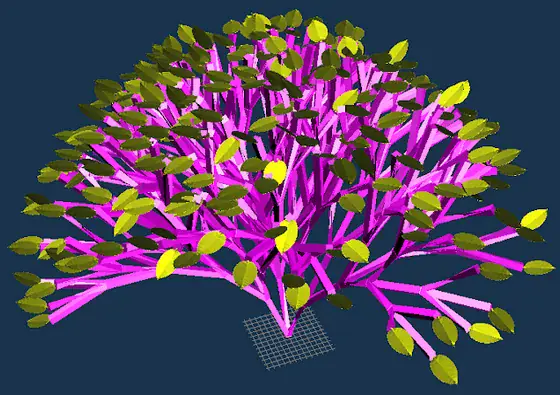
L-Systems are simple rule-based text generation systems. After the text is generated it can be utilized as instructions of Turtle graphics. These turtle graphics then were implemented in Java and OpenGL in order to draw trees and other fractals.